
A remote exam is not simply a test taken at home. It is a controlled assessment session with identity checks, webcam monitoring, screen controls, recording, and post-exam review. So, can remote proctoring detect cheating? Yes, often enough to create serious consequences for candidates who treat an online exam as less secure than a testing center.
For professionals pursuing high-value credentials, that distinction matters. A score can affect a promotion, a new role, client trust, and future eligibility with an exam provider. A flagged session can also lead to a delayed result, score cancellation, a ban from future exams, or an employer investigation. The fastest route to a credential is still taking the exam under the provider’s rules and being able to stand behind the result.
How Remote Proctoring Detects Cheating
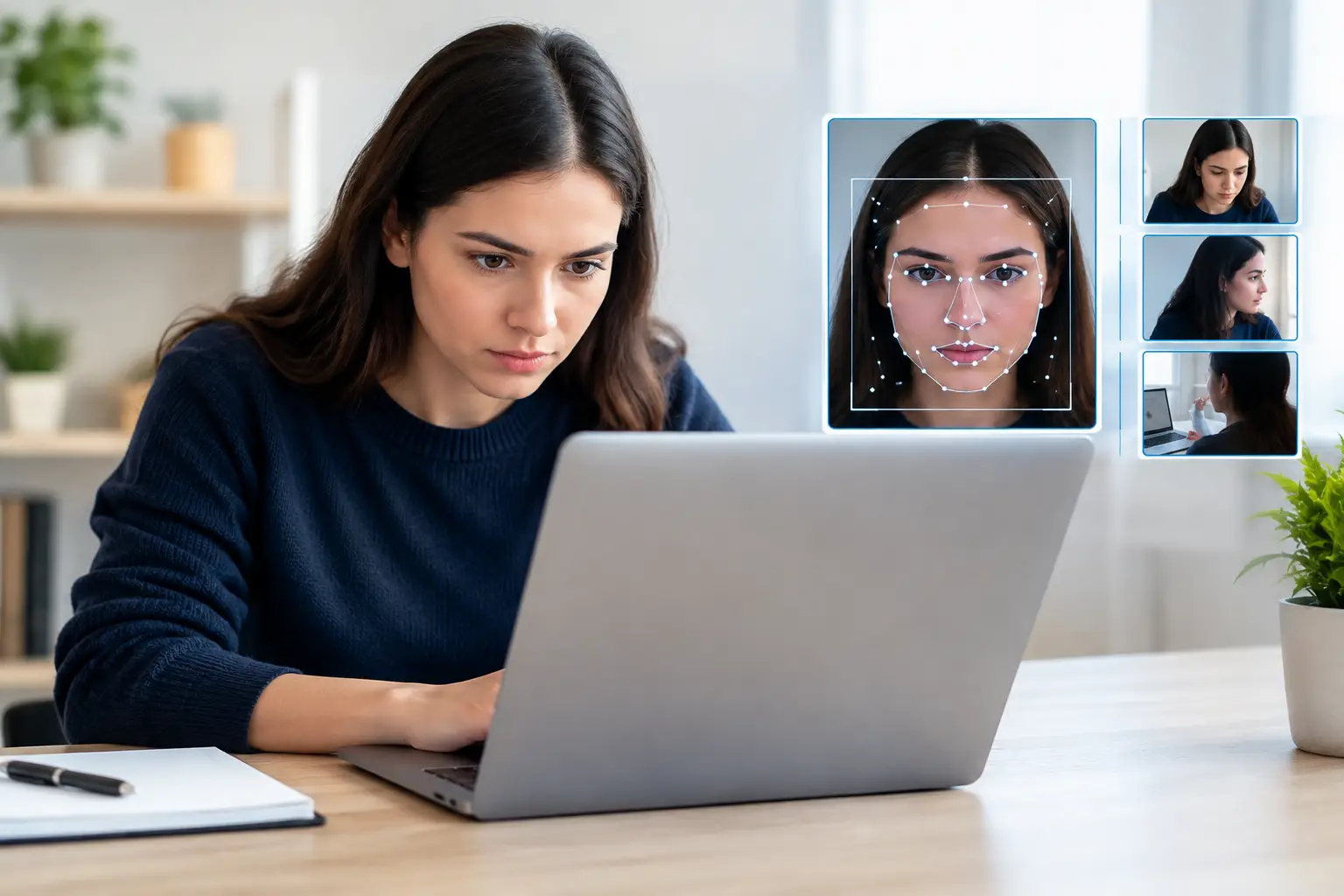
Remote proctoring does not rely on one tool. Most platforms combine automated signals with a live or recorded review process. The system may verify the candidate’s photo ID, compare a live facial image with the identification document, record video and audio, track the testing screen, and check whether prohibited applications or additional displays are active.
During the session, the platform can flag behavior that falls outside the exam rules. That can include another person entering the room, repeated off-screen attention, unexplained voices, screen-sharing activity, use of a phone, or an interruption in the camera view. Some systems also log browser events, network changes, copy-and-paste attempts, and attempts to launch restricted software.
The key word is flag. A proctoring platform may identify unusual activity, but an alert is not always final proof of misconduct. A candidate may look away because of a noise, lose connection because of local internet problems, or trigger a technical warning through an approved accessibility accommodation. That is why reputable exam programs review the full record and apply their own policies before making a final decision.
Identity Verification Is a Major Control
Professional certification exams are valuable because the credential is supposed to confirm the named candidate demonstrated the required knowledge. Remote delivery therefore begins with identity verification. Candidates may be asked to show government-issued identification, complete a facial comparison, answer verification questions, or perform a room scan.
If the person who starts the session does not match the person completing it, the issue is not a minor technical violation. It can be treated as impersonation or proxy testing, which can carry long-term consequences with the certification body. Score cancellation is only one possible outcome.
Screen and Device Monitoring Add Context
A webcam alone cannot tell the entire story. That is why remote testing systems may monitor the testing device itself. Depending on the provider, the software can restrict applications, block virtual machines, detect multiple displays, record the screen, and identify attempts to move outside the exam environment.
This does not mean every platform sees everything on a candidate’s device. The level of access depends on the exam provider, the proctoring vendor, the operating system, and the permissions a candidate accepts before launch. But candidates should assume that activity connected to the exam session can be reviewed, logged, and compared against the testing rules.
What Remote Proctoring Can and Cannot Prove
Remote proctoring is effective at identifying patterns that deserve investigation. It is not infallible, and neither are the people reviewing recordings. Lighting, camera placement, disabilities, internet instability, shared living spaces, and legitimate technical problems can all affect what a recording appears to show.
A responsible exam process distinguishes between a suspicious event and confirmed cheating. For example, a brief glance away from the screen may generate an alert. Repeated glances toward the same location, combined with audio activity and a phone visible during the room scan, create a different picture. Context matters.
Candidates should also understand that providers do not need a platform to make every decision automatically. Exam sponsors can compare session logs, recordings, identification records, answer-pattern data, prior attempts, and incident reports. If a result is invalidated, the decision may come after the test has ended and even after a preliminary score appears on screen.
Why Certification Candidates Face Higher Stakes
A professional credential is more than a pass notice. Certifications in cybersecurity, networking, project management, audit, accounting, finance, healthcare, and compliance can be tied to job requirements, contracts, licensing pathways, and public trust.
That is why organizations that administer these exams protect their programs aggressively. They may investigate irregular results, withhold certificates, revoke previously issued credentials, notify an employer or partner organization where policy allows, or restrict future testing. The exact outcome depends on the provider and the candidate agreement, but the risk is real.
A candidate may feel pressure to pass because an exam is expensive, a job opportunity depends on it, or work and family leave limited study time. Those pressures are understandable. They do not make a compromised result safe. A credential that cannot survive a verification review can create more career damage than a delayed exam date.
How to Avoid a Flagged Remote Exam Session
The best strategy is simple: prepare for the exam and prepare the environment. Read the provider’s remote-testing rules before scheduling, not ten minutes before check-in. Rules differ on scratch paper, watches, headphones, breaks, permitted items, room privacy, and technical setup.
Use a private, quiet room whenever possible. Clear the desk of notes, phones, smart devices, extra monitors, and unrelated materials. Make sure your government ID matches the name used for registration. Test the required software, camera, microphone, and internet connection in advance.
During the exam, follow proctor instructions exactly. Keep your face in view, stay within the allowed testing area, and ask the proctor if a technical or environmental issue occurs. Do not guess whether something is allowed. An honest question before acting is far safer than an avoidable policy violation.
If you need an accommodation, request it through the official process before exam day. Do not assume a proctor will make an exception in the moment. Approved accommodations create a clear record and reduce the chance that normal, necessary behavior is misunderstood.
Can Remote Proctoring Detect Cheating After the Exam?
Yes. Detection and review can continue after the timer ends. Many programs do not treat the screen result as a permanent certification decision. A recorded session, technical logs, and incident flags may be reviewed later, particularly when the result is unusually high-risk or a proctor reported an issue.
This delayed review is one reason candidates should not confuse a completed appointment with a secure outcome. If the testing organization identifies a violation, it may suspend the result while it investigates. Candidates may be given an opportunity to respond, but processes vary widely by provider.
For candidates who believe a session was flagged unfairly, documentation helps. Keep confirmation emails, record the time and nature of technical issues, and follow the exam provider’s official appeal or support process. Stay factual. Explain what happened, what you did to address it, and any relevant accommodation or connectivity details.
The Better Career Decision
Remote proctoring can detect many forms of cheating, but the larger issue is credibility. Employers and certification bodies expect the credential holder to possess the knowledge the exam is designed to measure. That expectation becomes critical when the role involves securing systems, managing projects, auditing controls, handling financial decisions, or supporting patient care.
A legitimate pass gives you more than a badge for a resume. It gives you the confidence to discuss the subject in an interview, perform in the role, and renew or build on the credential later. If you are not ready, rescheduling and using focused study support is a better business decision than risking a result that can be canceled.
Treat the online proctored exam with the same seriousness as an in-person testing center. Build the knowledge, follow the rules, and protect the result you worked for.